Living Traditionally

Traditional Living in Modern Society

  • Home
  • Work With Me
  • health
  • Disclaimer
  • Shop
  • SUBSCRIBE
  • Home
  • Work With Me
  • health
  • Disclaimer
  • Shop
  • SUBSCRIBE

May 21, 2026 by Anya V

STOP Taking Blood Pressure Pills Until You Read This…

High blood pressure has become one of the biggest “silent epidemics” in the modern world. Millions of people wake up every day dependent on pills that lower numbers on a chart, while the deeper root causes continue to smolder underneath.

Most people are never told that blood pressure problems are often connected to chronic inflammation, mineral imbalance, stress overload, damaged blood vessels, poor circulation, toxic food, and especially insulin resistance.

Instead, they are handed prescriptions for medications that may temporarily force numbers down while potentially creating new problems in the body — fatigue, dizziness, kidney stress, sexual dysfunction, brain fog, nutrient depletion, swelling, chronic coughing, and metabolic damage.

The body was designed to heal when given the proper environment, proper minerals, proper circulation, proper nourishment, and proper support.

Nature has always provided powerful tools for cardiovascular health long before pharmaceutical corporations existed.

Blood Pressure Is Often An Insulin Resistance Problem

One of the biggest truths hidden from the public is that high blood pressure is frequently tied to insulin resistance.

When people constantly consume ultra-processed foods, refined sugar, industrial seed oils, soda, processed breads, and chemically altered foods, insulin levels remain elevated for years.

Chronically elevated insulin can:

  • Cause the kidneys to retain sodium and water
  • Thicken and stiffen blood vessels
  • Increase inflammation throughout the body
  • Damage delicate endothelial tissue lining the arteries
  • Increase stress hormones
  • Promote weight gain around organs
  • Reduce nitric oxide production

The result? Blood vessels lose flexibility and pressure rises.

This is why many people lower blood pressure naturally when they:

  • Remove processed sugar
  • Lower insulin spikes
  • Walk daily
  • Sleep deeply
  • Restore minerals
  • Reduce inflammation
  • Support circulation naturally

You cannot out-medicate a lifestyle that continuously damages the vascular system.

Cayenne Pepper 🌶️ — Nature’s Circulation Igniter

Cayenne pepper has been used in traditional wellness systems for centuries. The active compound, capsaicin, is known for stimulating circulation and supporting vascular function.

Many holistic practitioners view cayenne as one of the most powerful natural cardiovascular supporters because it helps improve blood flow throughout the body.

Potential benefits of cayenne pepper include:

  • Supporting healthy circulation
  • Helping blood vessels relax
  • Stimulating nitric oxide production
  • Reducing inflammatory stress
  • Supporting metabolic health
  • Helping warm cold extremities

Some people begin their morning with warm water, lemon, and a pinch of cayenne to help stimulate circulation naturally.

Others add cayenne to soups, teas, broths, or vegetable juices.

When blood moves properly, tissues receive oxygen more efficiently and the vascular system experiences less strain.

Beetroot — The Nitric Oxide Powerhouse

Beetroot is one of the most powerful foods for supporting blood vessel relaxation naturally.

Beets are rich in dietary nitrates. Inside the body, these compounds can convert into nitric oxide — a molecule that helps blood vessels dilate and improve circulation.

Nitric oxide is essential for vascular flexibility.

Without enough nitric oxide:

  • Arteries become stiffer
  • Circulation worsens
  • Blood pressure rises
  • The heart works harder

Beetroot may help:

  • Support healthy blood flow
  • Improve oxygen delivery
  • Enhance endurance
  • Support detoxification pathways
  • Nourish the liver
  • Provide antioxidant protection

find the powder here 

Fresh beet juice, roasted beets, or blended beet smoothies are popular natural approaches used by many health-conscious individuals.

The deep crimson color of beets comes from betalains — powerful antioxidant compounds that help combat oxidative stress.

Hibiscus 🌺 — The Ancient Blood Pressure Tea

Hibiscus tea has been treasured in traditional cultures for generations.

This vibrant flower contains antioxidants called anthocyanins and polyphenols that may support cardiovascular health naturally.

Many people drink hibiscus tea specifically to help maintain healthy blood pressure levels.

Find it here 

Hibiscus may help:

  • Support relaxed blood vessels
  • Reduce oxidative stress
  • Act as a gentle natural diuretic
  • Support kidney health
  • Reduce inflammatory burden
  • Provide mineral support

Unlike many pharmaceutical approaches that may deplete the body over time, hibiscus nourishes while supporting balance.

Its deep ruby color is a sign of its rich antioxidant profile.

Many holistic wellness advocates combine hibiscus with cinnamon, ginger, or lemon for additional circulatory support.

The Medication Trap

Modern medicine often focuses on symptom suppression rather than root-cause restoration.

Many blood pressure medications force physiological changes without correcting why the body elevated pressure in the first place.

In some cases, the body raises blood pressure as a protective response to damaged circulation, inflammation, metabolic dysfunction, mineral imbalance, chronic stress, or narrowed vessels.

Suppressing symptoms without rebuilding health can create long-term dependency.

Some medications may contribute to:

  • Electrolyte depletion
  • Fatigue and weakness
  • Reduced circulation
  • Kidney strain
  • Brain fog
  • Sexual dysfunction
  • Swelling and fluid imbalance

True healing requires rebuilding the terrain of the body.

The Real Foundation Of Healthy Blood Pressure

Natural blood pressure support is not about one miracle ingredient.

It is about restoring the body as a whole.

  • Lower insulin resistance
  • Remove processed foods
  • Restore magnesium and potassium-rich foods
  • Walk daily
  • Get sunlight
  • Sleep deeply
  • Reduce chronic stress hormones
  • Support nitric oxide production
  • Hydrate properly
  • Improve circulation naturally

The human body is not deficient in pharmaceuticals.

It is often deficient in minerals, movement, sunlight, real food, and metabolic balance.

A Simple Holistic Blood Pressure Support Drink

Ingredients:

  • 1 cup brewed hibiscus tea (here)
  • 1 small fresh beet or beet powder (find it here)
  • Pinch of cayenne pepper
  • Fresh lemon juice
  • Optional: raw honey

Directions:

Blend or mix together and consume fresh.

Many people use combinations like this to support circulation, nitric oxide production, and vascular relaxation naturally.

Final Thoughts

Your body has extraordinary healing intelligence when given proper support.

The modern system often teaches people to fear their bodies instead of understanding them.

High blood pressure is frequently a warning signal — not simply a medication deficiency.

Nature still offers powerful tools:

  • Cayenne 🌶️ to stimulate circulation
  • Beetroot to nourish nitric oxide pathways
  • Hibiscus 🌺 to support vascular relaxation

The goal is not merely to force numbers down.

The goal is to rebuild health from the inside out.


Disclaimer: This article is for educational purposes only and is not medical advice. Individuals should consult a qualified healthcare professional before making changes to medications or treatment plans.

May 19, 2026 by Anya V

THE LYMPHATIC FLUSH BATH THAT LEAVES YOUR BODY FEELING BRAND NEW

Most people spend their entire lives focused on blood circulation while completely ignoring another system that may be just as important for healing: the lymphatic system.
Your lymphatic system is like a hidden river flowing beneath the surface of your body. It carries waste, toxins, dead cells, inflammatory debris, pathogens, and excess fluid away from tissues so the body can restore balance naturally.

When this system becomes stagnant, the body becomes congested. Swelling increases. Fatigue deepens. Skin problems appear. The immune system weakens. Healing slows down.

But when lymph begins to move efficiently again, many people notice dramatic shifts in how they feel — clearer skin, reduced inflammation, more energy, better immune function, deeper detoxification, and faster recovery from illness.

WHAT IS THE LYMPHATIC SYSTEM?

The lymphatic system is a massive network of vessels, lymph nodes, organs, and tissues that acts as the body’s drainage and purification system.

Unlike blood, which is pumped by the heart, lymph fluid has no central pump. It depends on movement, breathing, hydration, muscle contractions, sweating, and circulation to flow properly.

This system includes:

  • Lymph nodes
  • Lymph vessels
  • Tonsils
  • Spleen
  • Thymus gland
  • Bone marrow

Together, they help filter harmful substances while supporting immune defense and tissue repair.

If blood delivers nutrients to the cells, lymph helps take the garbage away.

YOUR SKIN: THE LARGEST EXCRETORY ORGAN

Your skin is not just a covering. It is one of the body’s major elimination pathways.

Through sweat and oil production, the skin helps release waste products that the body no longer wants to hold onto. This is why practices that activate the skin have been used for centuries in holistic traditions around the world.

When the skin is stimulated properly, circulation improves, pores open, lymphatic flow increases, and the body’s natural detoxification pathways become more active.

Many traditional healing systems understood this long before modern wellness trends existed.

HOW LYMPATIC STAGNATION AFFECTS THE BODY

When lymph becomes sluggish, waste can accumulate in tissues. This can create an internal environment where inflammation persists and the body struggles to restore equilibrium.

Common signs often associated with poor lymphatic flow include:

  • Puffiness and swelling
  • Chronic fatigue
  • Brain fog
  • Skin congestion
  • Frequent illness
  • Water retention
  • Inflammation
  • Heavy legs or stiffness
  • Slow recovery

The body is always trying to clean itself. But when elimination pathways become overloaded, symptoms can begin appearing in many different forms.

HOW CANCER CAN SPREAD THROUGH THE LYMPHATIC SYSTEM

The lymphatic system also plays a major role in how cancer can move through the body.

Cancer cells may enter nearby lymph vessels and travel to lymph nodes. This is one reason doctors often examine lymph nodes when evaluating how far a cancer has progressed.

Lymph nodes act like biological filters. They attempt to trap abnormal cells and immune threats before they spread further.

When cancer is found in lymph nodes, it may indicate that abnormal cells have begun moving beyond the original location.

This is why maintaining healthy circulation, immune resilience, and lymphatic movement has become an important area of interest in both preventive wellness and recovery support.

While no natural practice should ever be viewed as a guaranteed cure for cancer, many holistic practitioners believe supporting drainage, circulation, detoxification, nutrition, sunlight exposure, movement, and stress reduction may help create a stronger internal environment for healing.

WAYS PEOPLE NATURALLY SUPPORT LYMPHATIC FLOW

1. DRY BRUSHING

Dry brushing involves using a natural-bristle brush on dry skin before bathing. Many people believe it helps stimulate circulation, exfoliate dead skin, and encourage lymphatic movement toward the heart.

2. SWEATING

Saunas, steam rooms, exercise, and heat therapies have been used traditionally to activate the skin and encourage elimination through sweat.

3. REBOUNDING

Gentle bouncing on a mini trampoline is often recommended in holistic wellness because the up-and-down movement may help stimulate lymph flow throughout the body.

4. DEEP BREATHING

Breathing deeply acts like a pump for the lymphatic system. Shallow breathing may reduce circulation while deep diaphragmatic breathing can encourage movement of lymph fluid.

5. HYDRATION

Lymph fluid is heavily water-based. Proper hydration with minerals and electrolytes helps keep it flowing efficiently.

6. MOVEMENT

Walking, stretching, yoga, and gentle exercise help contract muscles that naturally push lymph through the vessels.

7. MASSAGE

Lymphatic massage techniques are designed to gently encourage drainage and reduce stagnation in tissues.

THE DEEP LYMPHATIC FLUSH BATH

For generations, mineral baths have been used to support circulation, sweating, relaxation, and the body’s natural detoxification pathways. One of the most talked-about holistic bath rituals combines borax, magnesium-rich salts, and warm water to help the body unwind while supporting lymphatic movement through the skin.

THE RECIPE

  • 1 cup boraxfind it here 
  • 2 cups Epsom salt
  • 1 cup baking soda
  • 10–15 drops lavender or eucalyptus essential oil (optional)
  • Very warm bath water

HOW TO USE IT

  1. Fill the bathtub with comfortably hot water.
  2. Add the borax, Epsom salt, and baking soda while the water is running.
  3. Stir the water until everything dissolves.
  4. Soak for 20–40 minutes.
  5. Drink water before and after the bath to stay hydrated.
  6. After soaking, rinse briefly with cool water if desired.
  7. Rest afterward to allow the body to continue sweating and relaxing.

WHY PEOPLE BELIEVE IT WORKS

1. HEAT ACTIVATES CIRCULATION

Warm water naturally expands blood vessels and increases circulation. As the body heats up, sweating increases and the lymphatic system may become more active.

Since the lymphatic system does not have its own pump, heat and circulation play an important role in helping fluids move through tissues.

2. EPSOM SALT PROVIDES MAGNESIUM

Epsom salt contains magnesium sulfate, which many people use to help relax muscles, calm the nervous system, and ease tension stored in the body.

Relaxed muscles and improved circulation may help reduce feelings of stagnation and heaviness.

3. BORAX IS USED IN HOLISTIC MINERAL BATHS

Borax contains naturally occurring boron compounds. In holistic wellness circles, boron is sometimes discussed for its relationship to mineral balance and environmental cleansing practices.

Many people who use borax baths believe they help soften the skin, reduce body odor, support skin cleansing, and create a mineral-rich soaking environment that encourages deep sweating.

Some also believe borax baths may help the body feel lighter and less inflamed after periods of stress, fatigue, or toxic overload.

find it here 

4. BAKING SODA SOFTENS THE WATER

Baking soda is often added to baths to soften water and support the skin barrier. Many people report that it leaves the skin smoother and less irritated after soaking.

5. THE SKIN IS AN ELIMINATION PATHWAY

The skin is the body’s largest eliminative organ. When you sweat, the body releases substances through pores while simultaneously increasing circulation near the surface.

This is why sweating therapies have existed across cultures for centuries — from thermal springs to steam baths to sweat lodges and saunas.

WAYS TO BOOST THE EFFECT

  • Dry brush before the bath
  • Do deep breathing during the soak
  • Drink mineral water afterward
  • Rest and avoid screens after bathing
  • Take the bath before sleep for deeper relaxation

IMPORTANT NOTE

Borax is commonly sold as a household cleaning product, and concentrated exposure or ingestion can be harmful. It should never be consumed internally, kept away from children and pets, and should only be used cautiously in diluted external applications if chosen at all.

People with sensitive skin, medical conditions, pregnancy, or chronic illness should speak with a qualified healthcare professional before trying intense detox or mineral bath practices.

Many people describe these baths not just as physical cleansing rituals, but as nervous system resets — a way to slow down, sweat deeply, release tension, and help the body return to balance naturally.

THE BODY WANTS TO HEAL

The human body is constantly working toward repair, detoxification, balance, and survival.

Healing is not always about adding more. Sometimes it is about improving flow, reducing overload, supporting elimination, and removing what the body no longer needs.

The lymphatic system reminds us that health is movement.

Movement of fluids. Movement of waste. Movement of energy. Movement of oxygen. Movement of life itself.

And when the body’s rivers begin flowing again, healing often follows.

May 18, 2026 by Anya V

SOAK YOUR FEET IN HYDROGEN PEROXIDE BEFORE BED… HERE’S WHAT HAPPENS


Hydrogen peroxide has quietly existed in medicine cabinets for generations, but many holistic health enthusiasts believe this simple bubbling liquid is far more powerful than people realize. Long before modern chemical cleaners dominated households, hydrogen peroxide was used for cleansing, purifying, and supporting the body naturally.

At its core, hydrogen peroxide is simply water with an extra oxygen molecule attached. That extra oxygen is what gives it its powerful oxidizing abilities and the famous fizzing effect people see when it touches cuts or skin. Many natural wellness advocates believe oxygen plays a critical role in overall vitality, circulation, detoxification, and immune resilience.

While conventional medicine mainly limits hydrogen peroxide to surface disinfecting, holistic communities have explored many additional ways it may support wellness when used carefully and correctly.


The Fascinating History of Hydrogen Peroxide

Hydrogen peroxide was first discovered in 1818 by French chemist Louis Jacques Thénard. Over time, it became widely used during wartime for wound cleansing because of its ability to remove debris and reduce contamination.

Before modern pharmaceuticals became dominant, many families kept hydrogen peroxide as one of the primary natural remedies in the home. It was often used for oral rinses, skin cleansing, foot soaks, and household purification.

In holistic traditions, oxygen-rich therapies have long been associated with vitality and cleansing. Many believe hydrogen peroxide works as part of this oxygen-supporting philosophy.


Why People Are Putting Hydrogen Peroxide On Their Feet

The feet contain thousands of nerve endings and sweat glands. Many holistic practitioners consider the feet one of the body’s major detox pathways. Foot soaks have been used for centuries in cultures all over the world to relax the body, improve circulation, and draw impurities out through the skin.

Adding hydrogen peroxide to a warm foot soak is believed by many to amplify these effects.

Potential Benefits People Report:

  • Softening rough, cracked heels
  • Reducing foot odor naturally
  • Supporting healthier-looking nails
  • Helping tired feet feel refreshed
  • Relaxation before sleep
  • Improved circulation sensation
  • Refreshing overheated feet
  • Helping remove dead skin buildup

How To Make A Hydrogen Peroxide Foot Soak

Simple Bedtime Foot Soak Recipe

  • 2 cups warm water
  • 1 cup 3% hydrogen peroxide
  • Optional: 1 tablespoon sea salt
  • Optional: a few drops of lavender essential oil

Directions:

  1. Pour warm water into a basin or foot tub.
  2. Add hydrogen peroxide.
  3. Soak feet for 15–20 minutes.
  4. Pat dry thoroughly.
  5. Apply natural moisturizer like castor oil, tallow, or coconut oil afterward.

Find hydrogen peroxide here 

Many people enjoy doing this before bed because it leaves the feet feeling deeply refreshed and relaxed.


Hydrogen Peroxide For Nail Appearance

Hydrogen peroxide has long been used in natural beauty routines because of its cleansing and brightening properties. Some people use diluted peroxide soaks to help improve the appearance of yellowed or thick-looking nails.

A common approach is soaking nails for several minutes in diluted hydrogen peroxide followed by keeping the feet clean and dry afterward.


Hydrogen Peroxide As A Mouth Rinse

One of the oldest folk uses for hydrogen peroxide is oral cleansing. Many people dilute food-grade or standard 3% hydrogen peroxide with water and use it occasionally as a mouth rinse.

Holistic users believe it may help:

  • Freshen breath naturally
  • Support gum cleanliness
  • Reduce buildup in the mouth
  • Create a cleaner oral environment

It should always be diluted and never swallowed.


Hydrogen Peroxide For Skin Cleansing

Hydrogen peroxide’s bubbling action helps lift debris and oils from the skin surface. Some natural wellness users apply small amounts to blemish-prone areas or use it in homemade facial toners that are heavily diluted.

Others use peroxide in detox baths alongside Epsom salt and baking soda as part of evening wellness routines.


The Oxygen Connection

Holistic health philosophies often emphasize the importance of oxygen throughout the body. Supporters of hydrogen peroxide therapies believe oxygen-rich environments may help the body maintain balance and cleanliness.

This is one reason peroxide has remained popular in alternative wellness circles for decades. Many people view it as a simple, inexpensive addition to a more natural lifestyle.

Find hydrogen peroxide here 


Hydrogen Peroxide Around The Home

Beyond personal wellness, hydrogen peroxide is also used as a natural household cleaner.

Popular Uses Include:

  • Cleaning kitchen surfaces
  • Freshening laundry
  • Removing odors
  • Cleaning toothbrushes
  • Sanitizing cutting boards
  • Refreshing shoes

Many people prefer it because it breaks down into water and oxygen rather than leaving behind strong chemical residues.


Important Safety Notes

Even natural remedies should be used responsibly.

  • Most household peroxide is 3% concentration.
  • Never drink standard hydrogen peroxide.
  • Avoid contact with eyes.
  • Always dilute when using for personal care.
  • Discontinue use if irritation occurs.
  • Keep out of reach of children.

Food-grade hydrogen peroxide is much stronger and requires extreme caution and proper dilution.


Why So Many People Still Swear By It

Hydrogen peroxide remains one of the most affordable and versatile natural wellness staples available. For many people, it represents a return to simple remedies that existed long before expensive modern products filled store shelves.

Whether it is used in a nighttime foot soak, as part of a natural cleaning routine, or for oral freshness, many holistic-minded individuals continue to keep hydrogen peroxide close by because of its simplicity and wide range of uses.

Sometimes the most powerful wellness tools are not exotic or expensive at all — they are the old-fashioned remedies that quietly stood the test of time.


April 30, 2025 by Anya V

This Bread Has No Glyphosate, Minimal Gluten—and Your Gut Will Love It

This Bread Changed Everything: Why Homemade Sourdough Is the Gut-Healing Staple You Need

Are you tired of bloating, brain fog, and store-bought bread loaded with chemicals? Homemade sourdough bread might be your body’s best-kept secret. Not only does it contain dramatically less gluten, but when made with organic or heirloom flours, it’s also 100% glyphosate-free—unlike most commercial breads that carry pesticide residues.

Why Homemade Sourdough Is So Powerful

Unlike conventional bread, sourdough is made through natural fermentation using wild yeasts and lactic acid bacteria. This ancient process breaks down gluten and antinutrients like phytic acid, making the bread more digestible and nutrient-available.

  • Lower Gluten Content: Fermentation breaks down gluten proteins, making sourdough much easier to tolerate for those with sensitivities (not suitable for celiac).
  • Glyphosate-Free: When you use certified organic or heritage grains, you eliminate glyphosate exposure—something that’s rampant in non-organic wheat.
  • Prebiotic-Rich: Sourdough supports gut health by feeding beneficial bacteria in your microbiome.
  • Blood Sugar Friendly: Slower fermentation helps lower the glycemic index of bread, reducing blood sugar spikes.

Best Flours to Use (Glyphosate-Free)

To ensure your sourdough is truly clean and glyphosate-free, use these flours:

this is the best flour I have found

  • Organic Einkorn Flour: An ancient grain with low gluten and no chemical contamination.
  • Organic Rye Flour: Naturally low in gluten and excellent for starter fermentation.
  • Organic Spelt Flour: Another ancient grain that’s easier to digest and rarely sprayed with chemicals.
  • Certified Organic All-Purpose or Bread Flour: Always choose certified organic to avoid pesticide residue.

this is the best flour I have found

The Starter: Your Living Culture

Your sourdough journey begins with a starter—a simple mix of flour and water that ferments over 5–7 days. This living culture will leaven your bread naturally without commercial yeast.

How to Make a Basic Starter

  1. Day 1: Mix 1/2 cup organic rye or whole wheat flour with 1/2 cup filtered water. Stir and leave loosely covered at room temp.
  2. Days 2–7: Each day, discard half and feed with another 1/2 cup flour and 1/2 cup water.
  3. By day 6–7, it should be bubbly, smell tangy, and double in size within a few hours of feeding—your starter is ready.

Simple Homemade Sourdough Bread Recipe

  1. This recipe uses just 4 ingredients and minimal equipment.

Ingredients:

  • 3 1/2 cups organic all-purpose or bread flour
  • 1 1/4 cups filtered water
  • 1/2 cup active sourdough starter
  • 1 1/2 tsp unrefined sea salt

Instructions:

  1. Mix: Combine flour and water in a bowl. Mix until shaggy. Let rest 1 hour (autolyse).
  2. Add starter and salt: Mix in the sourdough starter and salt. Knead until smooth or stretch and fold every 30 mins over 2 hours.
  3. Bulk ferment: Cover and let rise at room temp 4–6 hours or until doubled in size.
  4. Shape: Gently shape into a round or oval loaf. Place into a floured proofing basket or bowl.
  5. Cold proof: Cover and refrigerate overnight (8–12 hours).
  6. Bake: Preheat oven to 475°F (245°C) with a Dutch oven inside. Place loaf in Dutch oven, score top with a blade, cover and bake 20 mins. Remove lid, bake 20–25 more mins until golden brown.
  7. Cool: Let bread cool fully before slicing (very important for texture and digestion).

Final Thoughts: The Bread Your Gut Will Thank You For

Homemade sourdough bread is more than food—it’s a healing ritual. With its gentle gluten profile, clean ingredients, and gut-supporting benefits, it’s one of the best swaps you can make in a whole-food lifestyle. And when you control your flour source, you avoid hidden toxins like glyphosate that can compromise long-term health.

Ready to bake the healthiest bread of your life? Start your sourdough journey today, and let your gut—and taste buds—celebrate!


April 17, 2025 by Anya V

Stop Using Windex: The Toxic Truth Behind This Household Cleaner


Windex has long been marketed as the go-to solution for streak-free shine, especially on windows and glass. But beneath its glossy reputation lies a cocktail of toxic chemicals that could be putting your health—and your family’s—at serious risk.

What’s Really In Windex?

Let’s take a look at what you’re actually spraying into the air:

  • Ammonium Hydroxide: This chemical releases fumes that irritate the eyes, nose, and throat, and can cause respiratory issues with prolonged exposure.
  • Fragrance: “Fragrance” is often a cover term for dozens of undisclosed synthetic chemicals, some of which have been linked to hormone disruption and reproductive toxicity.
  • 2-Hexoxyethanol: A glycol ether classified by the EPA as a hazardous air pollutant. It can damage red blood cells, kidneys, and the liver.
  • Isopropanolamine: A skin and eye irritant that may also contribute to respiratory inflammation over time.

Is Windex a Cancer Risk?

While no single ingredient in Windex is officially labeled as a direct human carcinogen, the cumulative effect of daily exposure to multiple hazardous chemicals—especially in poorly ventilated indoor spaces—has raised red flags in scientific studies.

According to the Environmental Working Group (EWG), many conventional cleaning products are associated with long-term health issues, including cancer, asthma, and neurological damage. Windex earned a rating of “D” in the EWG’s cleaning product guide, mainly due to its hazardous ingredients and lack of transparency.

Why This Matters

Children and pets are especially vulnerable to chemical exposure. Babies crawling on floors and touching freshly cleaned windows are at risk of absorbing harmful residues through their skin and inhaling chemical vapors.

In fact, household cleaners are now among the top indoor air pollutants. Indoor air can be up to 5x more polluted than outdoor air, thanks to products like Windex.

Safer Alternatives to Windex

You don’t have to trade safety for sparkle. Here are some natural, non-toxic alternatives that work just as well—if not better:

1. Vinegar + Water Solution

Mix equal parts distilled white vinegar and water in a spray bottle. Add a few drops of essential oil for a fresh scent. Great for windows, mirrors, and chrome.

2. Rubbing Alcohol + Vinegar

For a streak-free finish, mix 1 cup of water, 1 cup of rubbing alcohol, and 1 tablespoon of vinegar. This combo evaporates quickly and removes greasy buildup.

3. Commercial Non-Toxic Brands

  • Natural Glass Cleaner Here 

Final Thoughts

It’s time to ditch toxic cleaners like Windex and switch to healthier, planet-friendly alternatives. Your lungs, your children, and your environment will thank you.

Remember: If you wouldn’t drink it, don’t clean your home with it.


Want to detox your entire home? Download our free guide: “7 Hidden Toxins You’re Using Every Day (and What to Use Instead)”


October 12, 2023 by Anya V

Kitchen “Miracle” Cleaner! How to Clean Your Baking Sheets Non Toxic Way

We all know that we should stay away from non-stick pans, but are our baking sheets just as important?  Nonstick baking sheets and aluminum baking sheets are leaching toxic chemicals or other contaminants into your family’s meals when they are heated. This has been found to cause serious health consequences such as infertility and certain cancers.

[Read more…]

October 3, 2023 by Anya V

These Morning 2 Ingredient Pancakes Melt Fat

Cereal, Muffins, Bagels, Bread… If you’re starting your day with these carb loaded, nutritionally empty foods, you’re not doing your body good.  In fact, making people believe that cereal is a breakfast food is one of the biggest scams of the 21st century.

[Read more…]

October 3, 2022 by Anya V

Build-in Pesticides Can’t Be Washed Off. BUT Only This Oil Can Do It Effectively

Build-in Pesticides can not be washed off. It’s in the food. But wait…. Only citrus essential oils are able to deeply penetrate your produce and remove pesticides effectively.

[Read more…]

February 8, 2020 by Anya V

Banned in Japan, Vicks Rub Can Cause Severe Respiratory Problems

The popular rub that parents use on their children’s chests to help with cough and congestion can cause babies and young children to have respiratory distress, said US researchers. They looked into the product after a young child was sent to the emergency room  after having some Vicks put on her top lip just under her nose.

[Read more…]

January 23, 2020 by Anya V

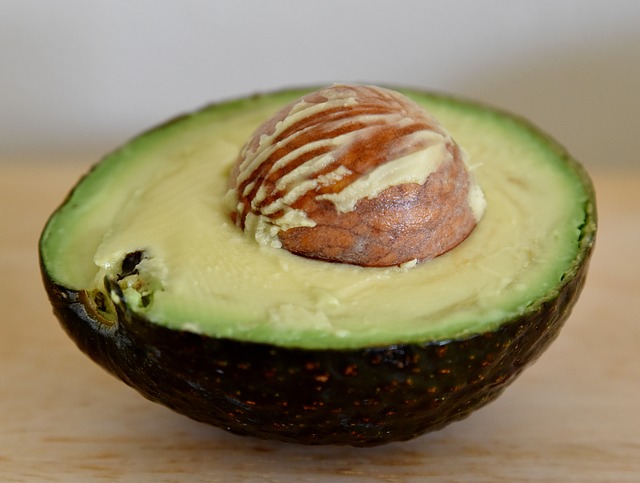
The Surprising Way to Keep Avocados Fresh for a Long Time

The Surprising Way to Keep Avocados Fresh That Most People Don't Know About

Avocados are a great source of healthy raw fat, which is missing in many people today and can actually help with weight loss

They contain  around 20 essential nutrients which include:

[Read more…]

  • 1
  • 2
  • Next Page »
@livingtraditionally
Healthy Living with Anya Vien

Follow Living Traditionally

  • Email
  • Facebook
  • Instagram
  • RSS
  • Twitter
  • YouTube
© 2026 • Living Traditionally • All Rights Reserved