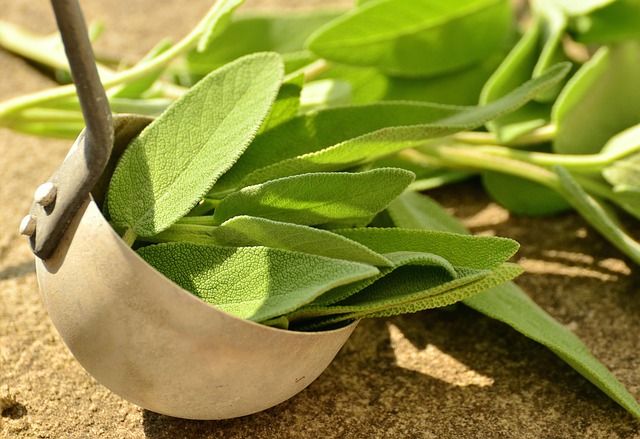
Burning sage isn’t superstition. It’s chemistry. For thousands of years, Native American cultures practiced smudging — the ceremonial burning of sage — to cleanse spaces, objects, and people. Modern science is now catching up, revealing that this ancient ritual has measurable, biological effects on the air we breathe.
Burning Sage Kills Up to 94% of Airborne Bacteria
Scientific studies have shown that when medicinal herbs such as white sage (Salvia apiana) are burned, the resulting smoke can reduce airborne bacteria by up to 94% in enclosed spaces. Even more impressive, the antimicrobial effects can linger in the air for hours after the smoke has cleared.
This means smudging doesn’t just mask odors or symbolically “cleanse” a space — it actively alters the microbial environment.
Why Sage Smoke Works: natural air purifier
When sage is burned, it releases a complex mix of bioactive compounds into the air, including:
- Volatile essential oils with antimicrobial properties
- Phenolic compounds known to inhibit bacterial growth
- Negative ions that may help neutralize airborne particles
These compounds interact directly with bacteria, mold spores, and other microbes suspended in the air. The result is a form of natural air sanitation — achieved without synthetic chemicals or artificial fragrances.
This is why calling smudging “magic” misses the point. It’s not mystical — it’s ancient atmospheric chemistry.
Beyond Bacteria: Additional Benefits of Smudging- Indoor Air Quality
In addition to reducing airborne microbes, sage smoke has been associated with:
- Neutralizing unpleasant odors at the molecular level
- Reducing airborne allergens and particulates
- Creating a calmer indoor environment through scent-mediated nervous system responses
While traditional cultures spoke in terms of “clearing negative energy,” modern language might describe this as modifying the sensory and biological environment of a space.
How to Use Sage to Purify the Air
Smudging is simple, but intention and safety matter. Here’s how to do it properly:
- Choose real sage — preferably white sage or desert sage, ethically sourced.
- Open a window to allow fresh air circulation.
- Light the sage bundle until it smolders, not flames.
- Allow the smoke to drift through the room, especially corners and stagnant areas.
- Extinguish safely in a fireproof bowl or shell.
The smoke only needs a few minutes to do its work. Once cleared, the air often feels noticeably fresher and lighter.
Safety and Respect
Smudging should always be done with respect — both culturally and practically:
- Avoid excessive smoke in small or poorly ventilated spaces
- People with asthma or respiratory sensitivity should proceed cautiously
- Use sustainably harvested sage whenever possible
Honoring the Native American origins of smudging means recognizing it as both a cultural practice and a biologically effective method of air purification.
Final Thought
Smudging doesn’t need mysticism to be powerful. Its power lies in chemistry, biology, and thousands of years of empirical observation. Long before air purifiers and disinfectant sprays, Indigenous cultures understood something modern science is only beginning to explain:
The air around us can be cleansed — naturally.
It’s time to stop calling it magic… and start calling it what it truly is: ancient atmospheric science.