What if cancer wasn’t just “bad luck” genetics?
What if it was the final stage of a long, ignored biological invasion?
For over a century, alternative researchers have argued that parasites, fungi, and microbes play a central role in cancer development — a theory that mainstream medicine aggressively abandoned.
And at the center of this controversy sits an unlikely household compound:
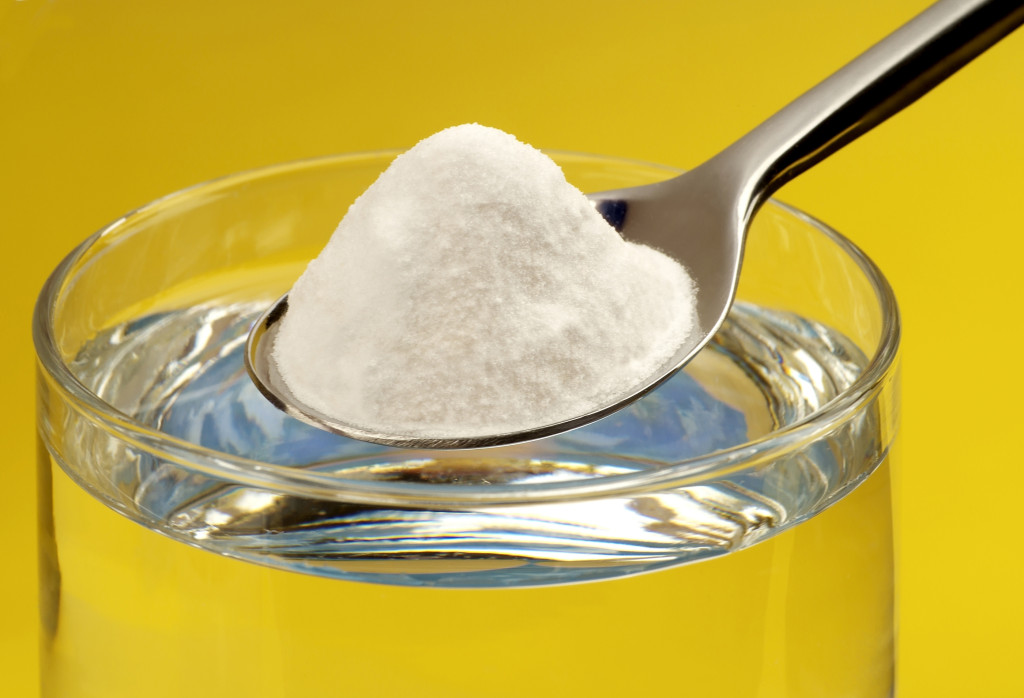
Baking Soda.
The Forgotten Parasite–Cancer Connection
Long before chemotherapy, radiation, and billion-dollar cancer drugs, early pathologists repeatedly observed something unsettling:
- Parasite-like structures inside tumors
- Fungal forms in cancer tissue
- Abnormal microbes thriving where healthy cells once lived
In the late 1800s and early 1900s, researchers like Rudolf Virchow and others noted chronic inflammation, infection, and tissue irritation as precursors to cancer.
Entire medical texts once debated whether cancer was a biological overgrowth problem — not a random genetic error.
Then the parasite theory vanished.
Why?
Because parasites are cheap to treat — and cancer became very profitable.
find pure baking soda here
The Nobel Prize Winner Who Changed Everything (But Was Ignored)
In 1931, Dr. Otto Warburg won the Nobel Prize in Physiology or Medicine.
His discovery?
Cancer cells thrive in low-oxygen, acidic environments and ferment sugar instead of using oxygen — even when oxygen is present.
This became known as the Warburg Effect.
Warburg repeatedly stated that acidic cellular environments were not a side effect of cancer — they were the cause.
find pure baking soda here
Yet modern oncology flipped the narrative:
- Cancer causes acidity (not the other way around)
- Sugar is “neutral”
- Metabolic terrain is ignored
Conveniently, this reframed cancer as something only drugs could fix.
Parasites Love Acidic Terrain
Parasites, fungi, and pathogenic microbes share something in common:
- They thrive in acidic environments
- They feed on glucose
- They flourish in low-oxygen tissue
This mirrors exactly the environment described by Warburg.
Alternative researchers argue:
Cancer may be the body’s last-ditch survival response to chronic parasitic or microbial stress.
Instead of dying, cells regress into a primitive fermentation state.
Survival mode.
Where Baking Soda Enters the Conversation
Sodium bicarbonate (baking soda) has one primary biological effect:
It raises pH.
Historically, physicians used it to:
- Neutralize systemic acidity
- Support kidney function
- Alter microbial terrain
Alternative practitioners later theorized that changing the terrain could make the body hostile to parasites and abnormal cell growth.
This does NOT mean baking soda “cures cancer.”
It means:
You don’t kill weeds by poisoning them — you fix the soil.
Why This Topic Is Still Taboo
There is no patent on baking soda.
No billion-dollar drug model.
No recurring revenue.
So the conversation was buried, labeled “dangerous,” and replaced with:
- Genetic determinism
- Lifetime chemotherapy
- Endless screening
Meanwhile, cancer rates continue to rise — especially in younger people.
The Bigger Question Nobody Wants Asked
If cancer is purely genetic…
Why does sugar feeding tumors work so reliably?
Why do parasites and fungi appear repeatedly in tumor tissue?
Why did early medicine focus on terrain — while modern medicine ignores it?
Final Thought
Baking soda isn’t a magic cure.
Parasites aren’t the sole cause of cancer.
But the idea that terrain, acidity, microbes, and metabolism matter threatens an entire medical industry built on symptom suppression.
And that may be the real reason this history was erased.
Sometimes the most dangerous ideas are the cheapest ones.